
Complete Meghalaya Road Trip

Difficulty

Travel Options

Pickup/Dropoff

Start/End

Duration

Accomodations

ILP Assistance

Group Size
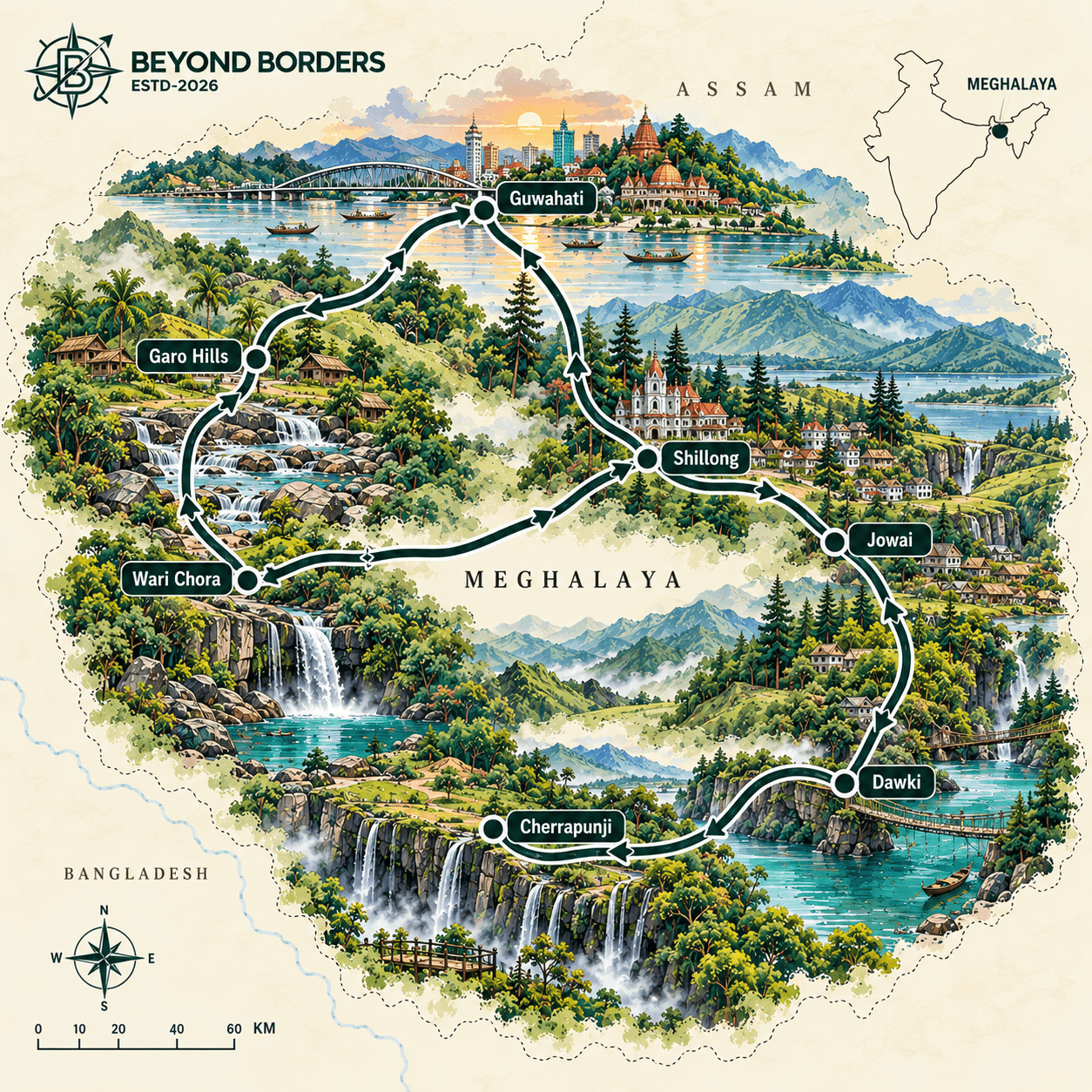
Explore Meghalaya Beyond the Usual
Begin in Guwahati and head deep into the Garo Hills, where the journey takes you to the remote landscapes of Wari Chora and Siju Cave. Continue east through the lesser-explored corners of Meghalaya before reaching the dramatic landscapes around Jowai, Shnongpdeng and Cherrapunji.
From riverside camping beside the Umngot River to trekking through the rainforest towards the Double Decker Living Root Bridge, every stage of the journey brings a different side of Meghalaya to life.
This isn't just a Meghalaya sightseeing trip. It's a road journey across the landscapes that make Meghalaya one of Northeast India's most distinctive adventure destinations.
At a glance
Choose Your Ride
What if I can't keep up?
Details
All-Inclusive Experience
Accommodation
Tour Duration
Tour Highlights
- Journey through the Garo Hills and Wari Chora
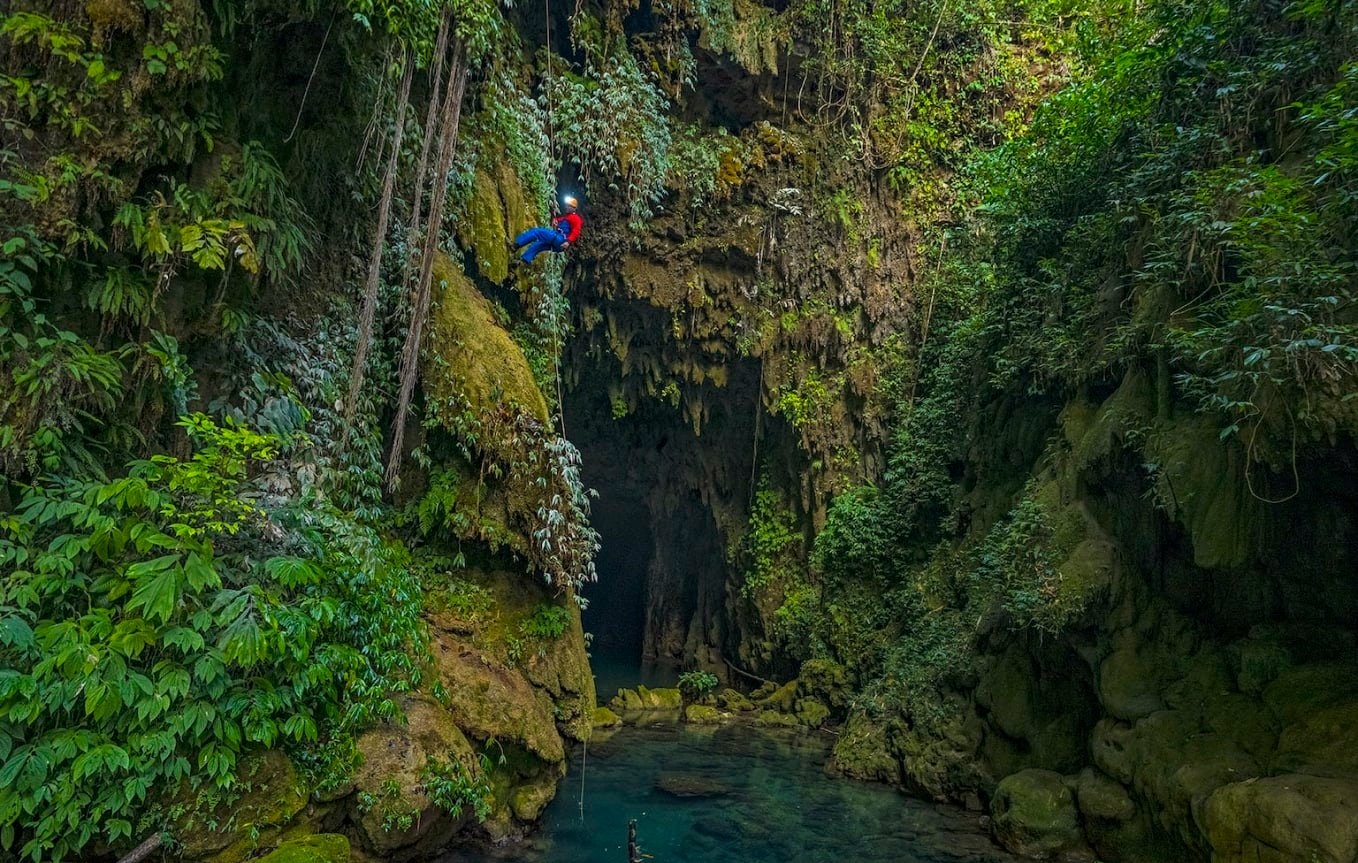
- Explore Jadisel Fish Sanctuary and Siju Cave
- Discover Meghalaya's Dzuko Valley and Markham Valley
- Experience Laitlum Canyon and Nongjrong
- Visit Phe Phe Falls and Krangsuri Falls
- Explore Krem Chympe and Khaddum Falls
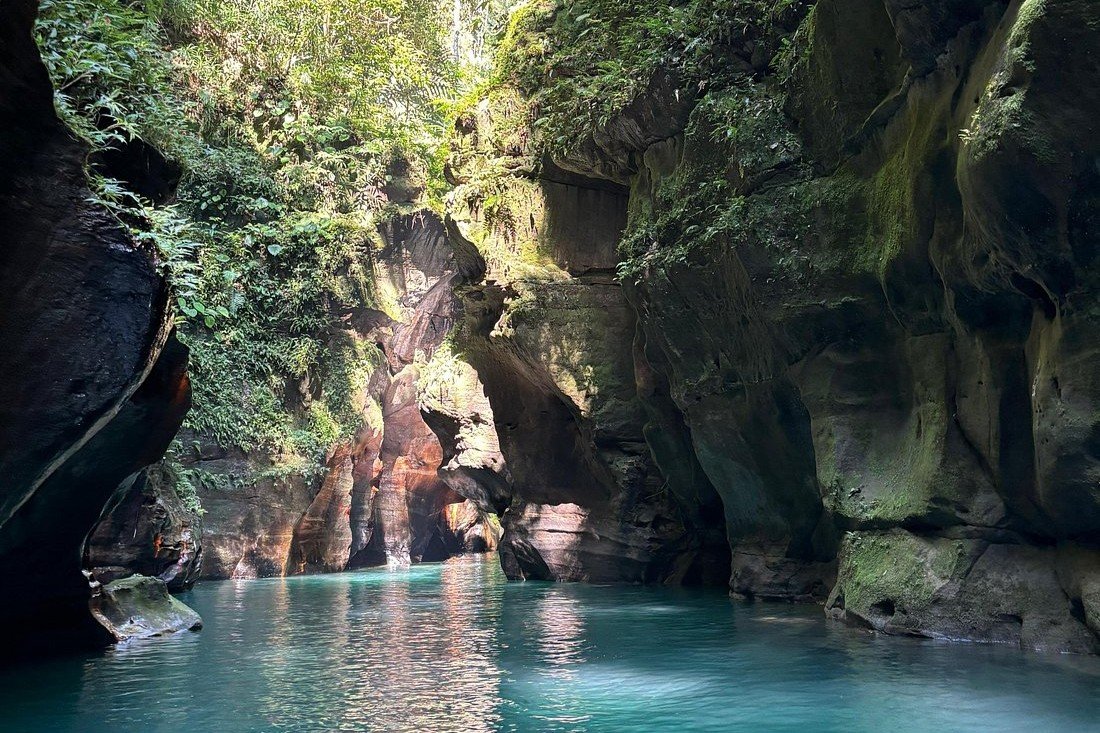
- Camp beside the Umngot River at Shnongpdeng
- Visit Mawlynnong and a Single Decker Living Root Bridge
- Explore Nohkalikai Falls and Cherrapunji
- Trek to the Double Decker Living Root Bridge
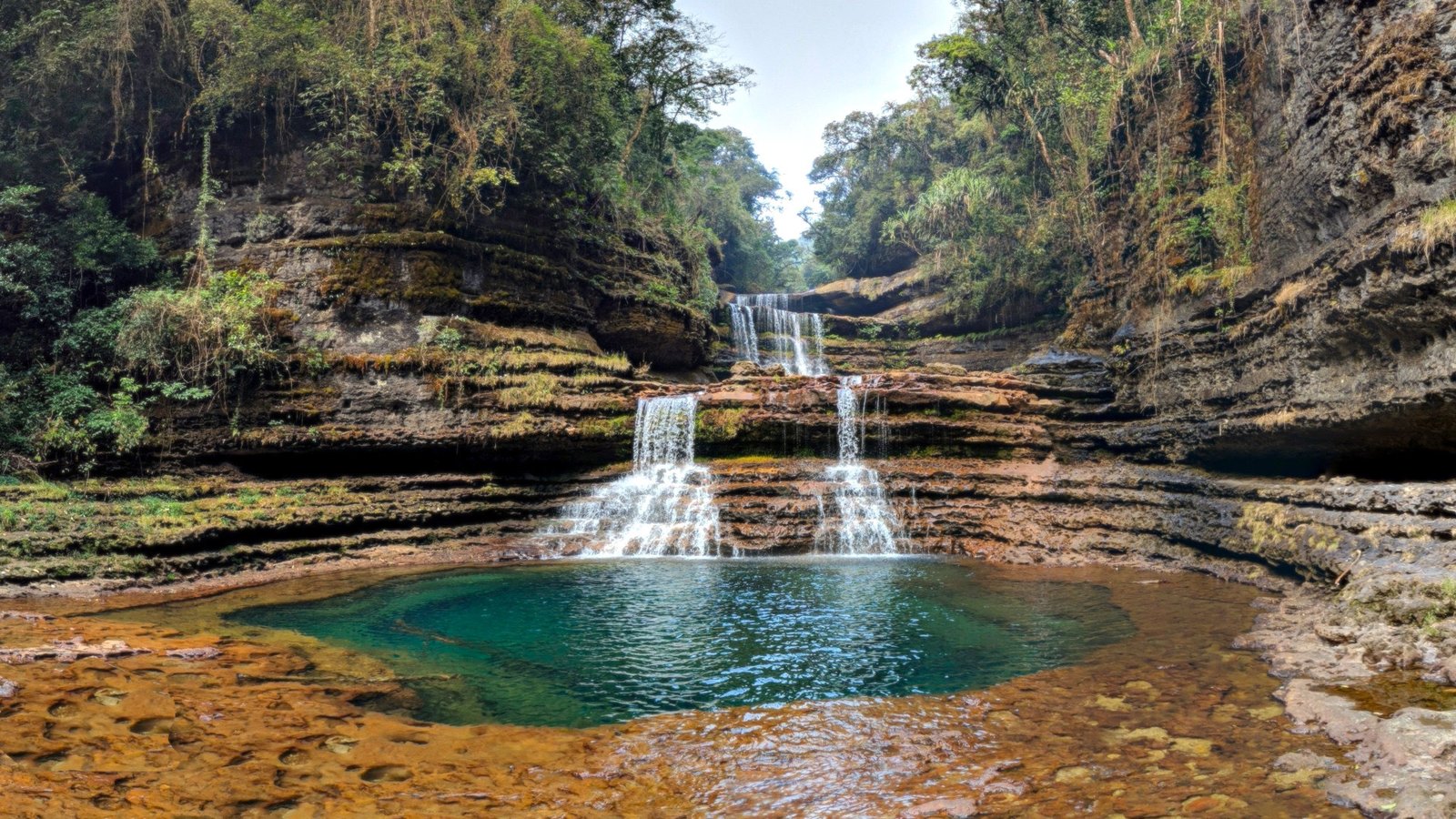
- Discover Blue Lagoon and Rainbow Falls
- Explore Wei-Sawdong Falls, Mawsmai Cave, Lyngksiar Falls and Kynrem Falls
- End the journey beside the scenic Umiam Lake
- Complete the expedition back in Guwahati
Gallery
Daily Itinenary
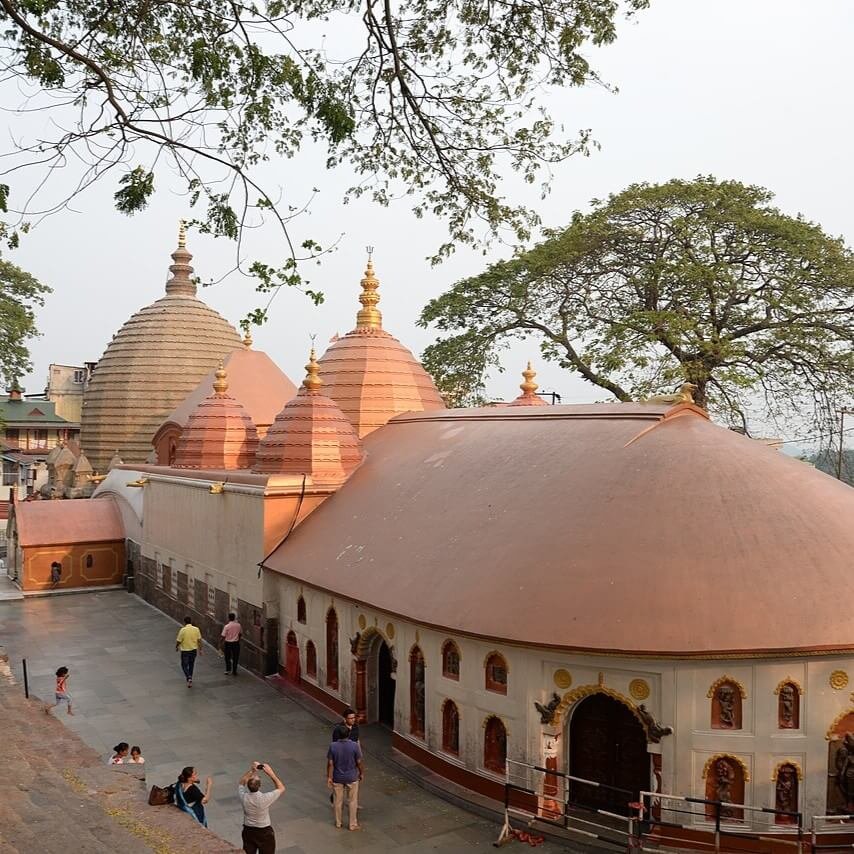
The Journey Begins in Guwahati
In the evening, meet your Tour Guide and fellow travellers for a formal briefing covering the route, travel arrangements, safety considerations and what to expect during the days ahead. Take some time to get organised before the first major drive into Meghalaya.
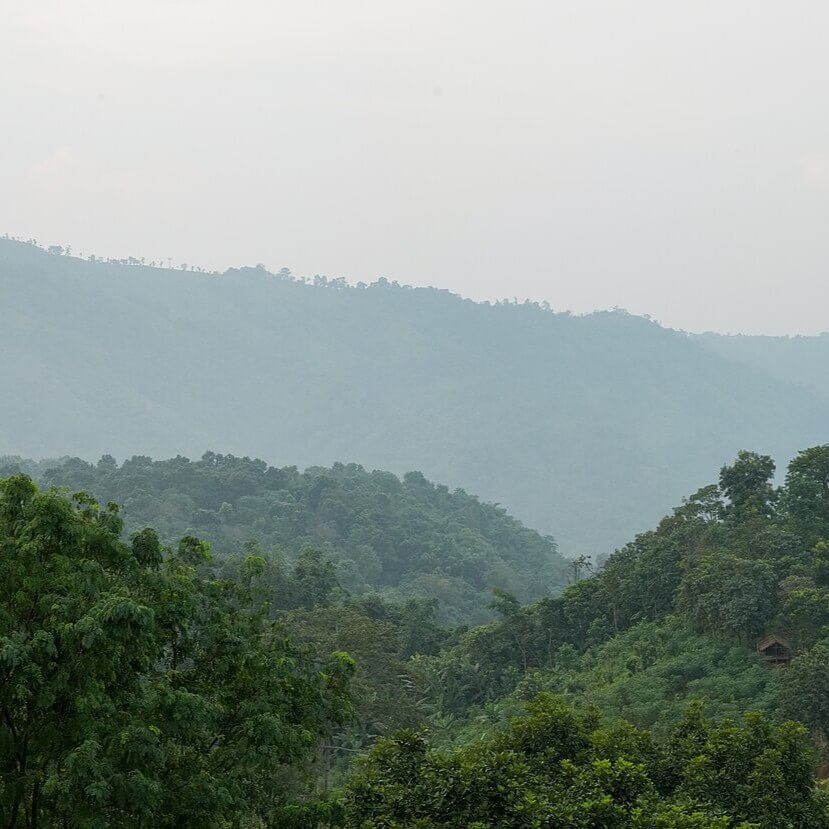
From Guwahati to the Garo hills
The route eventually leads into the Garo Hills, one of Meghalaya's more remote regions. With forests and mountain landscapes replacing the plains, this marks the beginning of the expedition into the lesser-explored side of Meghalaya.
Arrive in the Garo Hills by evening and settle in for the night.
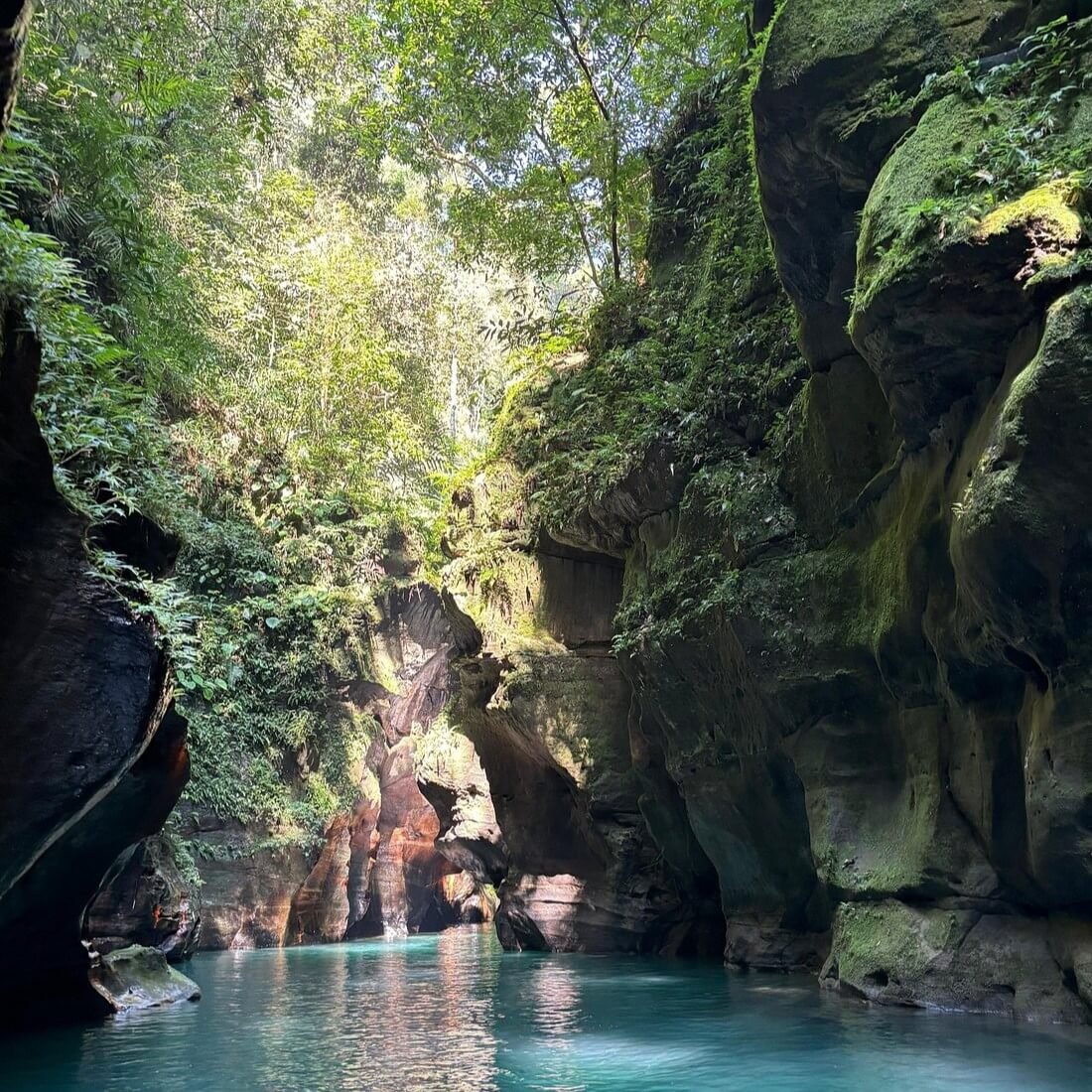
Into the Wilderness of Wari Chora
Along the way, stop at Jadisel Fish Sanctuary, surrounded by the forests and hills of the region. Continue to Siju Cave, one of the fascinating limestone cave systems of the Garo Hills, where natural formations and dark underground passages reveal another side of Meghalaya's landscape.
From Siju, continue through the remote roads and forested terrain towards Wari Chora. Arrive by evening and settle in for the night surrounded by the wilderness of the Garo Hills.
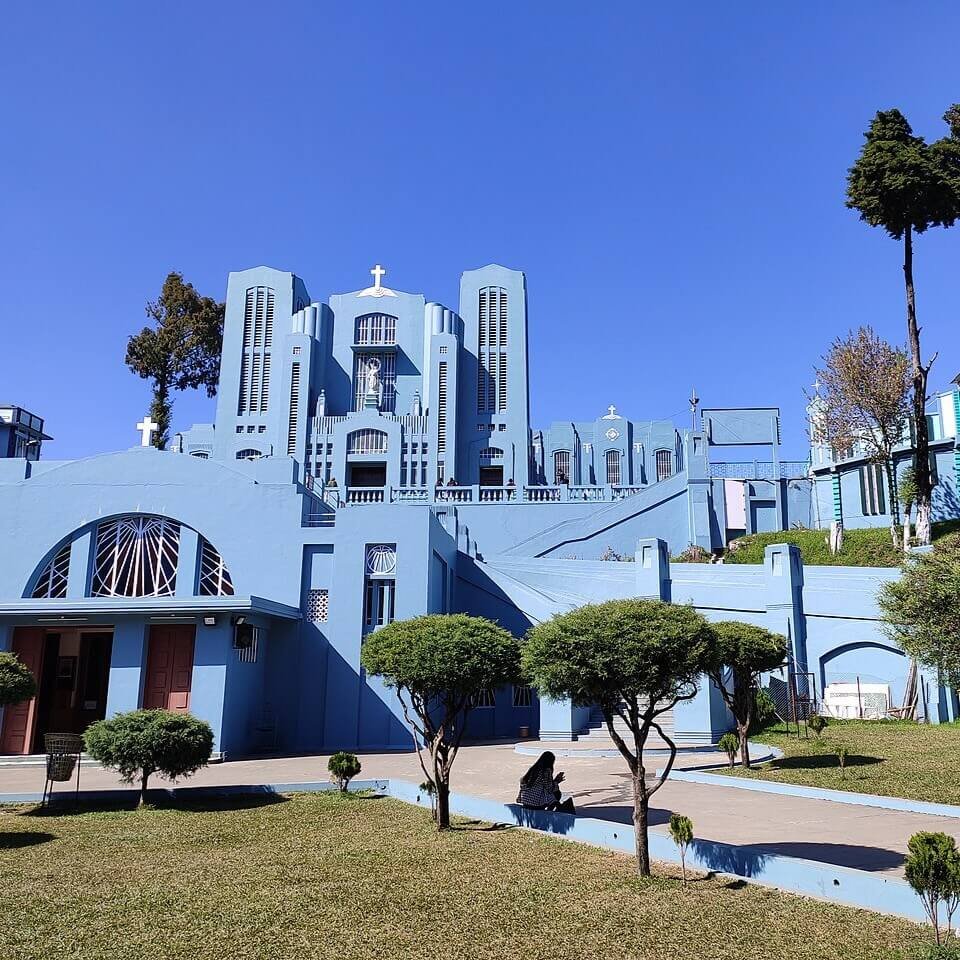
Wari Chora to Shillong | Across Offbeat Meghalaya
The route takes you through Kshaid Wah Rait, followed by Meghalaya's Dzuko Valley and the scenic Markham Valley. As the journey progresses, the landscape continues to change between forested hills, open valleys and remote mountain roads.
By evening, arrive in Shillong and settle into your accommodation. After several days in the remote Garo Hills, the city provides a change of pace before the journey continues into the Jaintia and Khasi Hills.
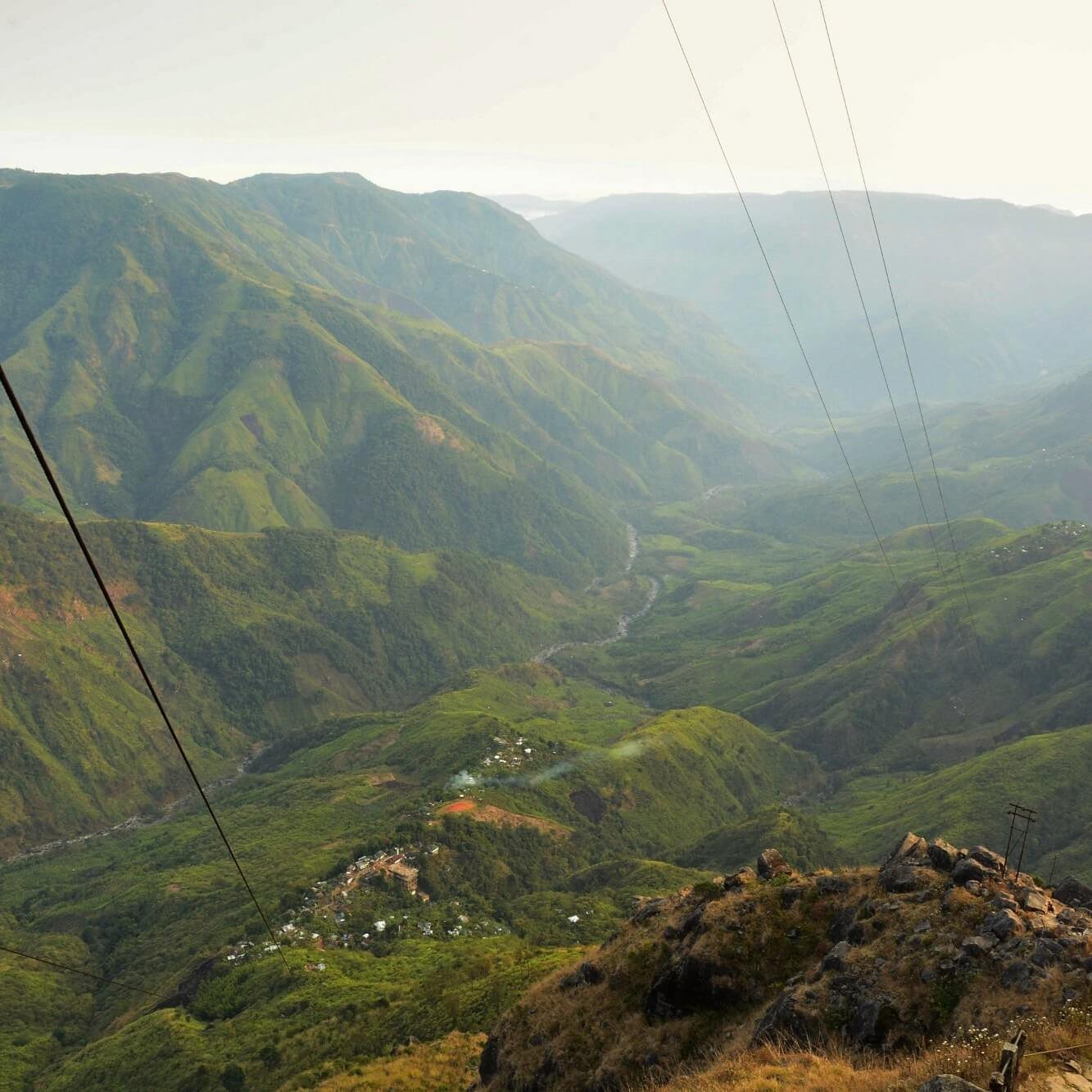
Shillong to Jowai | Canyons & Turquoise Waterfalls
The journey begins with Nongjrong, followed by Laitlum Canyon, where deep valleys and dramatic green ridges create some of the region's most striking landscapes.
Continue towards Phe Phe Falls, surrounded by lush forests and natural pools, before making your way to Krangsuri Falls, known for its vivid blue waters and scenic setting.
Arrive in Jowai by evening and settle in for the night.
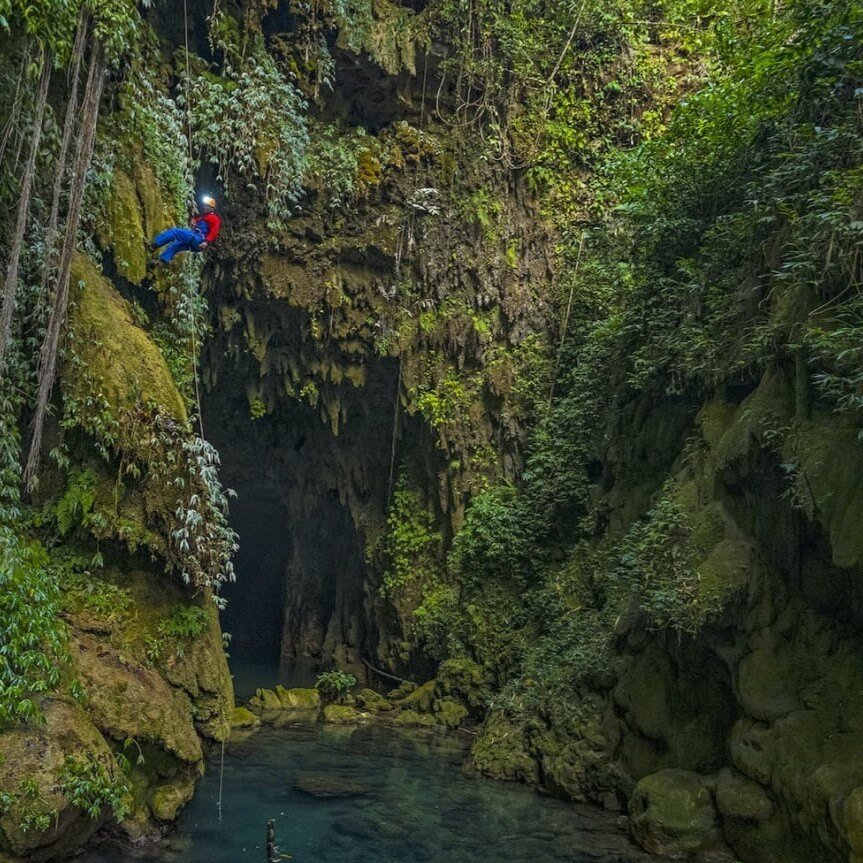
Jowai to Shnongpdeng | Caves, Waterfalls & the Umngot
Explore Krem Chympe, a fascinating cave system, before continuing towards Khaddum Falls and its surrounding forests and valleys.
Later, continue towards Shnongpdeng and the crystal-clear waters of the Umngot River. Arrive at the riverside campsite and settle in beside the river.
With the mountains around you and the river flowing alongside the campsite, spend the evening experiencing a quieter side of Meghalaya before settling in for the night.
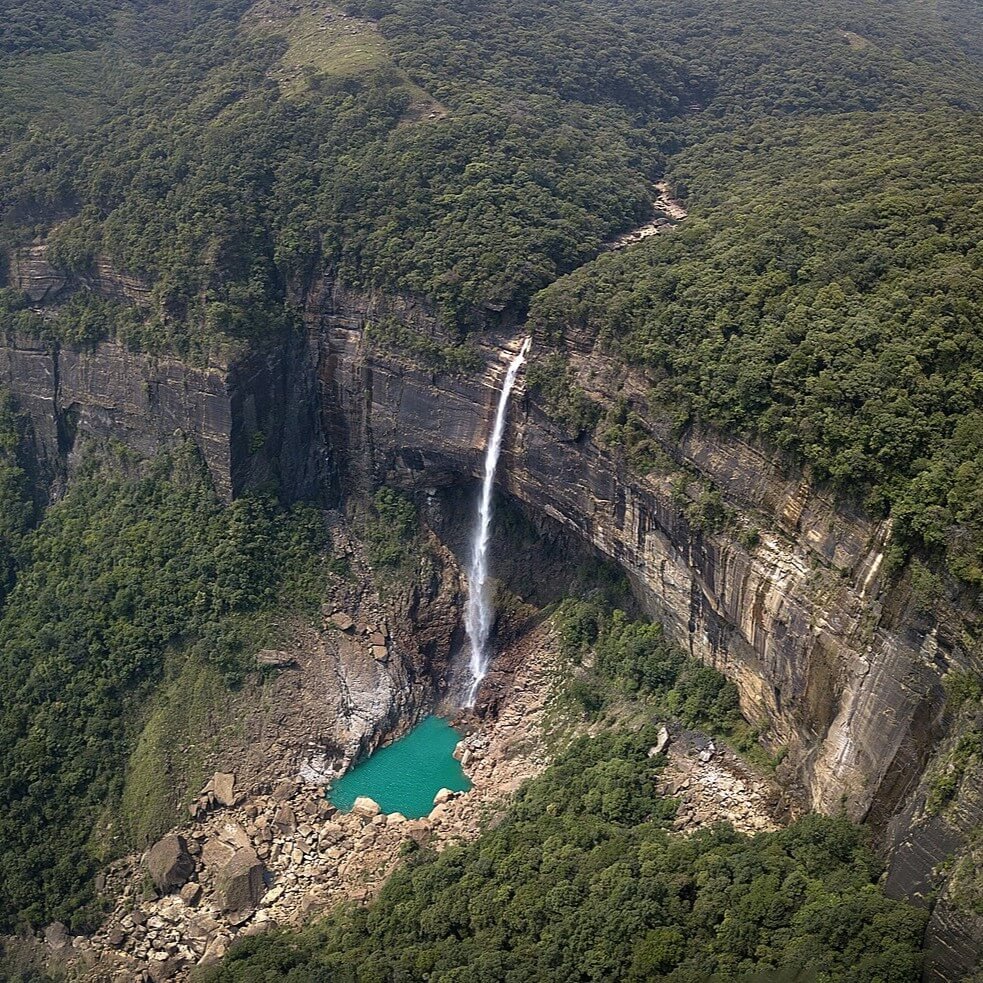
Shnongpdeng to Cherrapunji | Root bridges & Waterfalls
The route takes you through Mawlynnong, known for its clean and carefully maintained village environment. Continue to a Single Decker Living Root Bridge, an example of the traditional Khasi practice of shaping living tree roots into bridges.
As the journey continues towards Cherrapunji, make a stop at Nohkalikai Falls, one of Meghalaya's most dramatic waterfalls, before arriving at your accommodation for the evening.
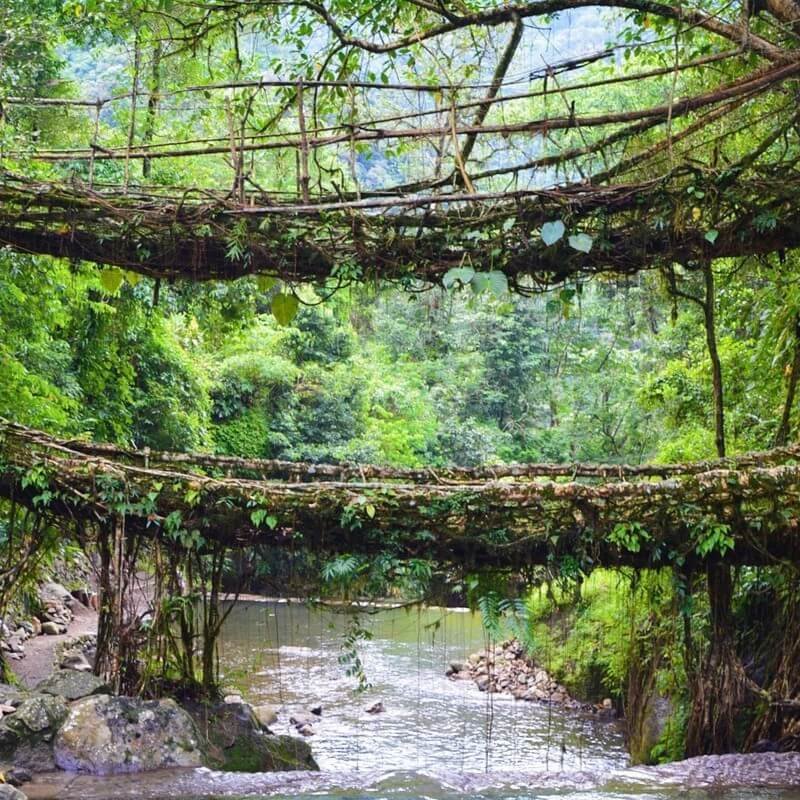
Into the Rainforest | The Double Decker Root Bridge
Set out on the trek towards the Double Decker Living Root Bridge, travelling through dense rainforest, streams and narrow trails. These remarkable bridges are formed by guiding the roots of living trees over generations, creating natural structures that continue to grow.
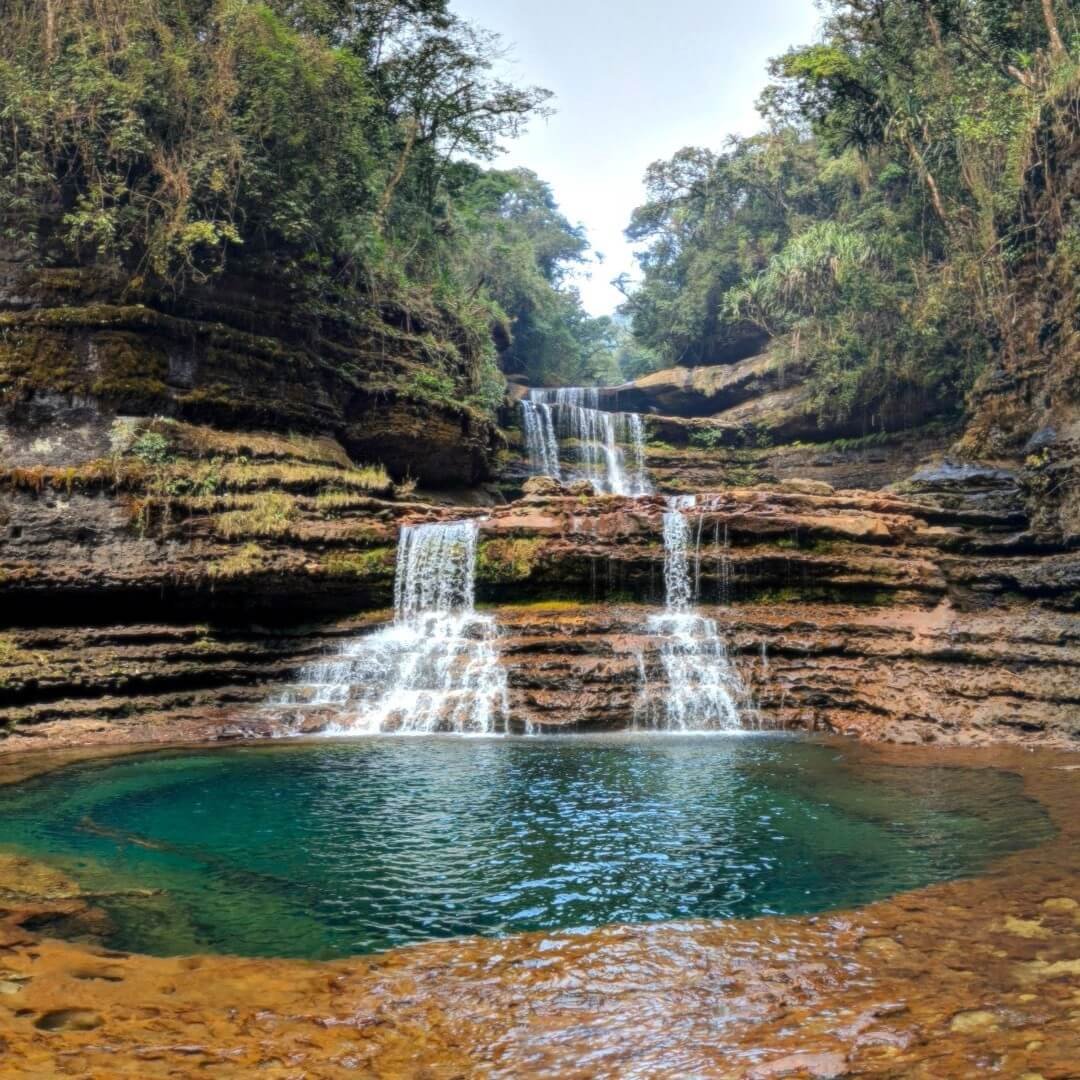
Continue deeper into the landscape towards the Blue Lagoon and Rainbow Falls, where clear waters and dense forest create a spectacular natural setting.
After completing the day's trek, return to Cherrapunji and rest after a full day on the trails.
Cherrapunji to Guwahati | The final road through Meghalaya
The route takes you through a series of Meghalaya's waterfalls and natural landmarks, beginning with Wei-Sawdong Falls. Continue to Mawsmai Cave, exploring its narrow limestone passages before moving on towards Lyngksiar Falls and Kynrem Falls.
As you leave the hills behind, make a final stop at Umiam Lake, where the expansive reservoir and surrounding hills provide a peaceful final landscape before the journey returns to Guwahati.
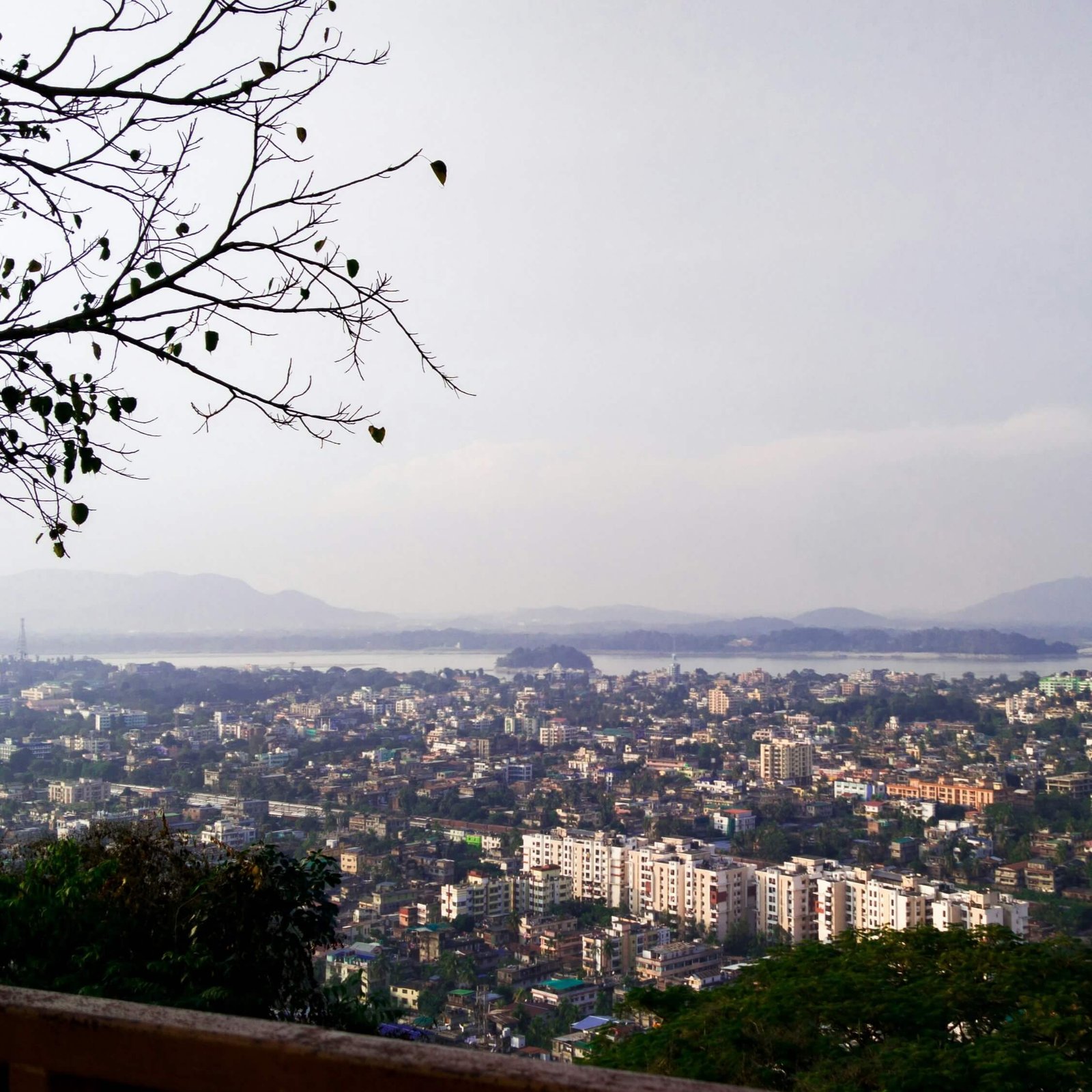
Arrive in Guwahati by evening and settle into your accommodation for the final night.
One last morning in Guwahati
The expedition comes to an end after ten days across Meghalaya—from the remote wilderness of Garo Hills and Wari Chora to the living root bridges, waterfalls, caves, valleys and crystal-clear rivers of the Khasi and Jaintia Hills.
With the final journey back to Guwahati complete, your Meghalaya adventure comes to a close.
Included & Excluded
What's Included
What's Not Included
Frequently Asked Before You Go
The best time for this Meghalaya tour is generally October to April, when the weather is more suitable for road travel, sightseeing and trekking.
Indian travellers generally do not need a permit to visit Meghalaya. Foreign travellers may have additional registration or permit requirements for certain areas. We’ll guide you through any requirements before your journey.
The tour is suitable for travellers with a reasonable level of fitness, but it includes long road journeys and moderate trekking. The Double Decker Living Root Bridge and Rainbow Falls sections involve steep and uneven trails, so comfortable trekking shoes are recommended.
Meghalaya can be visited during the monsoon, but heavy rainfall can cause slippery trails, landslides and road disruptions. If weather conditions make an activity unsafe, our team may adjust the itinerary to prioritise the safety of the group.
Carry comfortable trekking shoes, a lightweight rain jacket, quick-drying clothes, warm layers, personal medicines, a power bank and a reusable water bottle. A waterproof bag for electronics is also recommended, especially during the rainy season.
Mobile connectivity is generally available in major towns such as Shillong and Cherrapunji, but can be limited in Garo Hills, Wari Chora and other remote areas. We recommend downloading important travel information and maps before entering areas with limited connectivity.